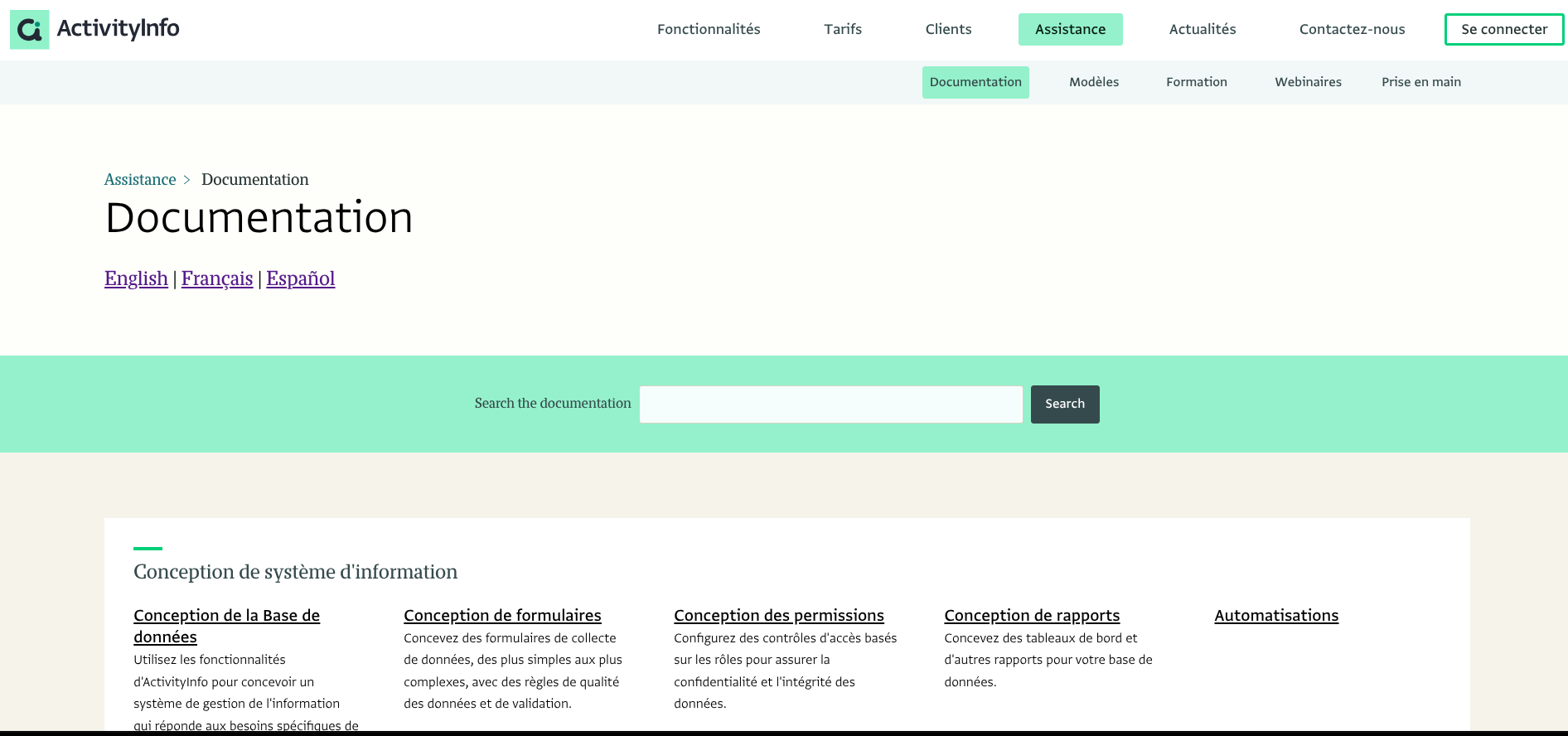
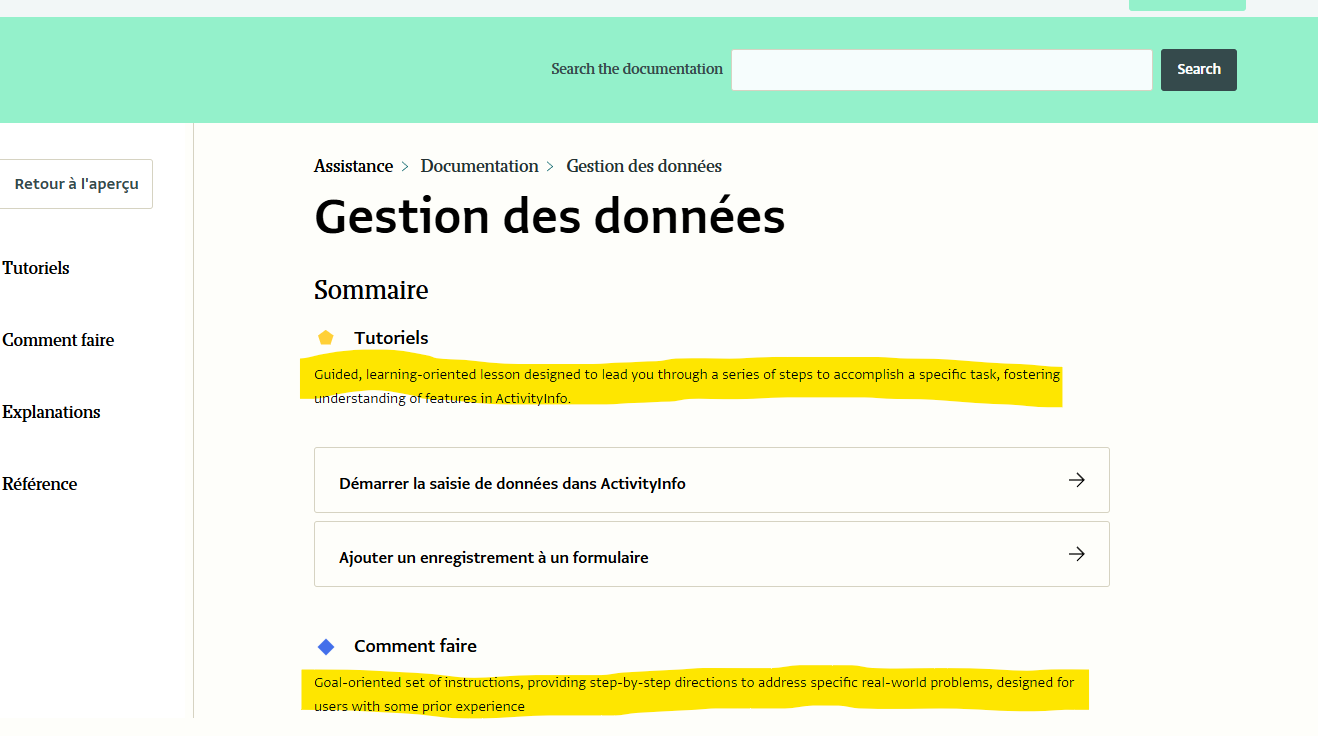
Today we’ve launched our first set of (machine) translations for our documentation library (350+ articles!) in French and Spanish. We’ve been able to achieve what I think is good quality using an LLM and a pipeline that incorporates context from the application translations and metadata about our formula language.
Screenshots and other illustrations remain in English for the time being. We’re looking at options for automating capturing of screenshots in other languages, but I’m not sure if/when we’ll be able to make the investment in such a process.
After we get feedback on these first two languages, we look forward to adding additional languages in September. Arabic and Ukranian will probably be next.
Please share any feedback you have, either or through the comment function on the bottom of each page.
Hi Alex, seems great. My knowledge of both French and Spanish is limited, so I can´t fully apprecitae quality of translations, however it is a great step ahead! I agree that Ukrainian and Arabic seems as a logical next step, which we would at PIN also appreciate. Would it be also possible to translate lead texts?
Thanks for the feedback, Michaela! I’ve fixed the intro sentences that you highlighted there. Note that search is still English-only, I’ll take a look at that when I’m back at the end of August.
Good to hear that Arabic and Ukranian overlap with your needs at PIN. We’re going to be looking at the percentage of users who set a non-English preferred language. Here’s a treemap showing the distribution among the users who have been active or the last six months:
As you can see the vast majority still have their preferred language set to English. Now, many of these users, even if English isn’t their first language, are working in organizations or countries where English is the default working language and they may prefer to keep using the application in English and read English-language documentation.
Others may not be aware of the option to change their preferred language, or their database administrator might not provide a translation of their own database, in which case it’s not very useful to switch the interface to non-English.
We’ll do some survey research later this year to try to untangle this, but grateful for any insights you all have in the meantime!